Ellada
Our Production
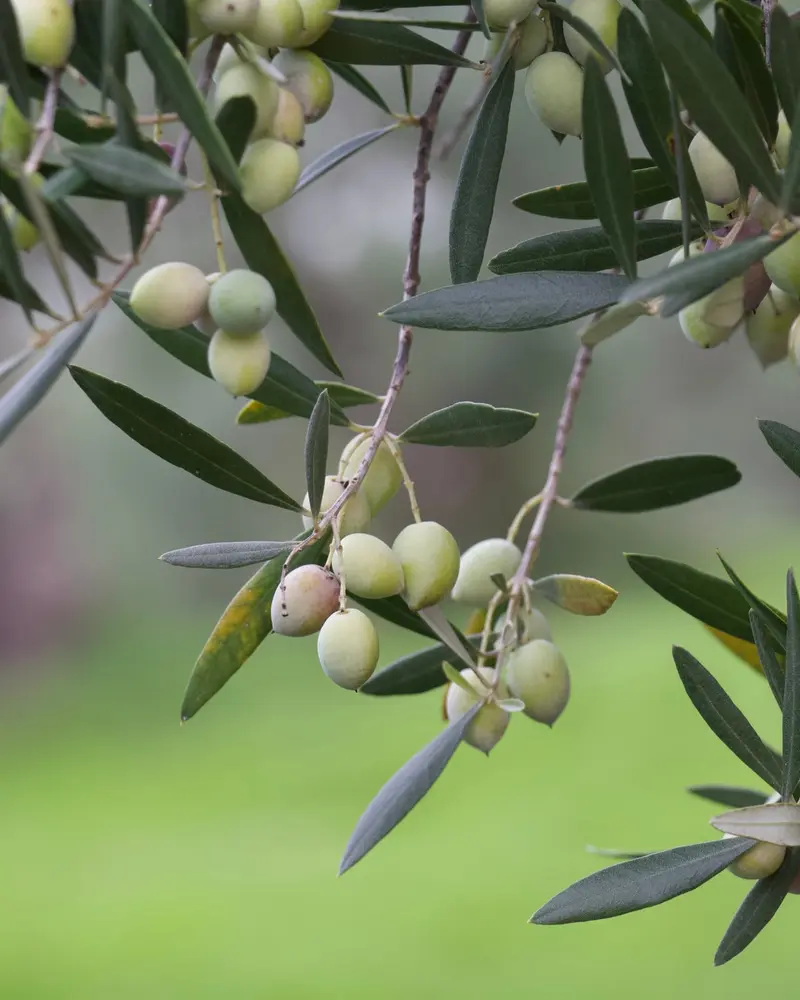
Ellada oil comes from a family estate in Messenia, in the south-west Peloponnese, Greece. The olive trees, some of them centuries old, grow on windswept, limestone-rich slopes, a combination that gives Koroneiki olives their fruity taste and characteristic hint of bitterness.
We are not that producer: we import and distribute his oil, in France and across Europe, respecting his method and his pace of work rather than imposing our own.
A deliberately modest production
No pesticides are used on the estate. Each year, production ranges between 8,000 and 12,000 litres of extra virgin olive oil, a small scale that allows for quality control at every step, from the grove to the box. This is also part of what explains the price: a small estate doesn't benefit from the economies of scale of a mass-market oil, which is often a blend of oils from several origins.
The 5 steps, from harvest to box
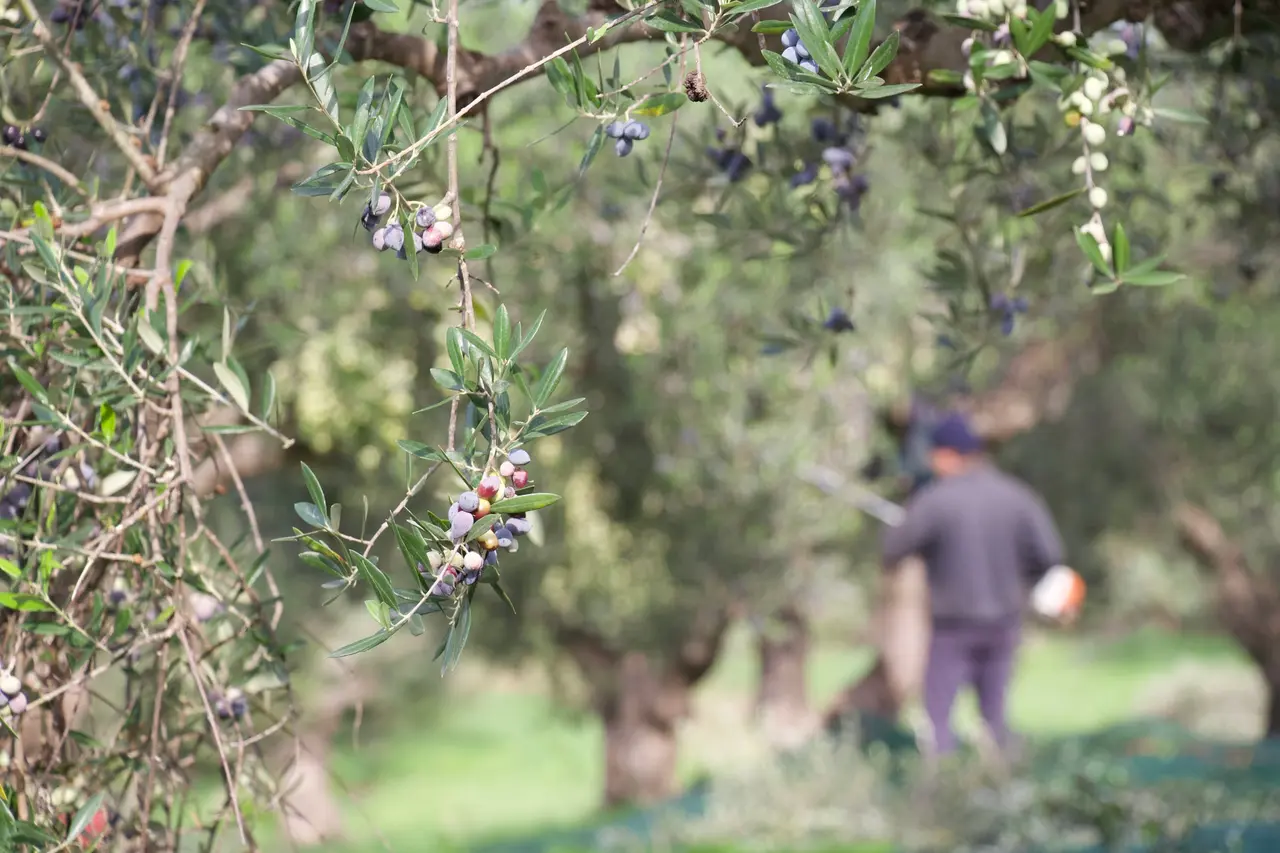
- Hand-picked harvest. The olives are picked by hand, tree by tree, between November and January, at the optimal point of ripeness. This method, slower than mechanical shaking, avoids bruising the fruit.
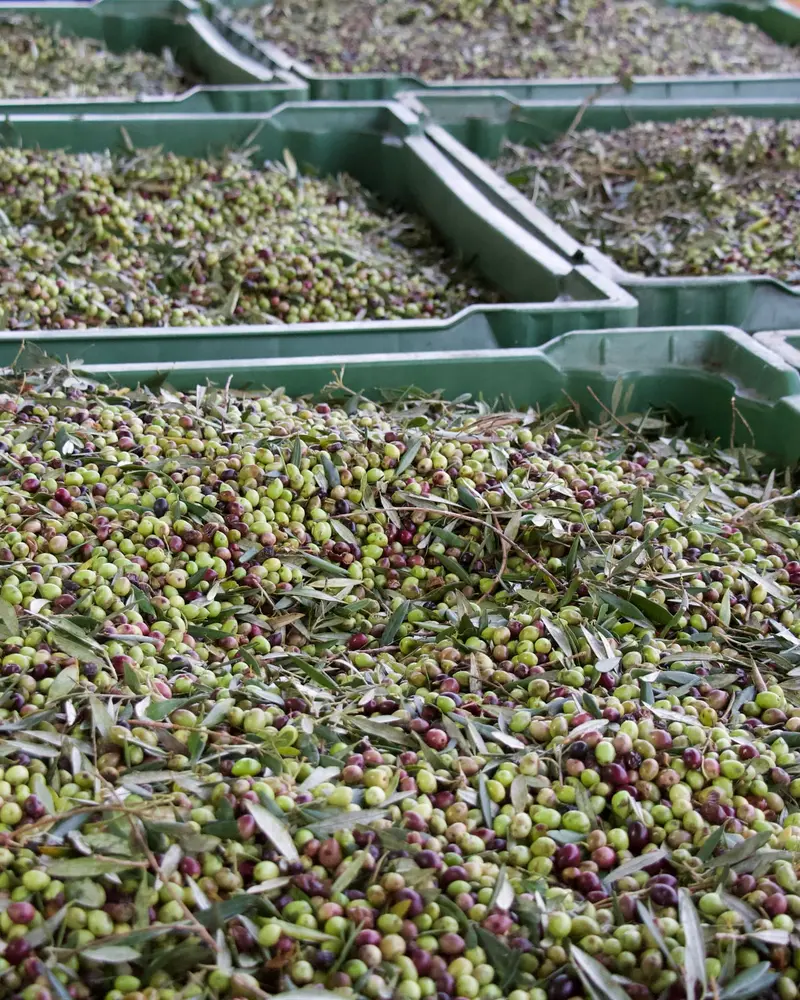
- Washing and de-leafing. The olives are taken to the mill quickly, then washed and stripped of leaves before pressing. This short delay limits oxidation of the olives.
- Crushing and cold malaxation. The olives are crushed then malaxed at low temperature (cold extraction), a mechanical process that preserves the aromas without any chemical treatment or solvent.
- Centrifugation. The oil is separated from the remaining pulp and vegetation water by a purely mechanical process.
- Settling. The oil rests for several days before bottling, allowing the last suspended particles to settle naturally.
An oil that keeps its character
This process gives an extra virgin olive oil with an intense taste, a hint of bitterness and a light bite on the finish, typical of strong oils, unlike the mild, round oils most often found in supermarkets. It works just as well raw, drizzled over a salad or vegetables, as it does cooked.
To find out more about exactly how a harvest unfolds, read our article on the olive harvest, step by step. To order, head to the product page: 3L or 6L box, delivered across France and Europe.